How to Translate Manga Online Without Covering the Artwork
Translate manga, manhwa, manhua, and comic speech bubbles while preserving panels, artwork, character voice, and reading order.
 ImageWise Team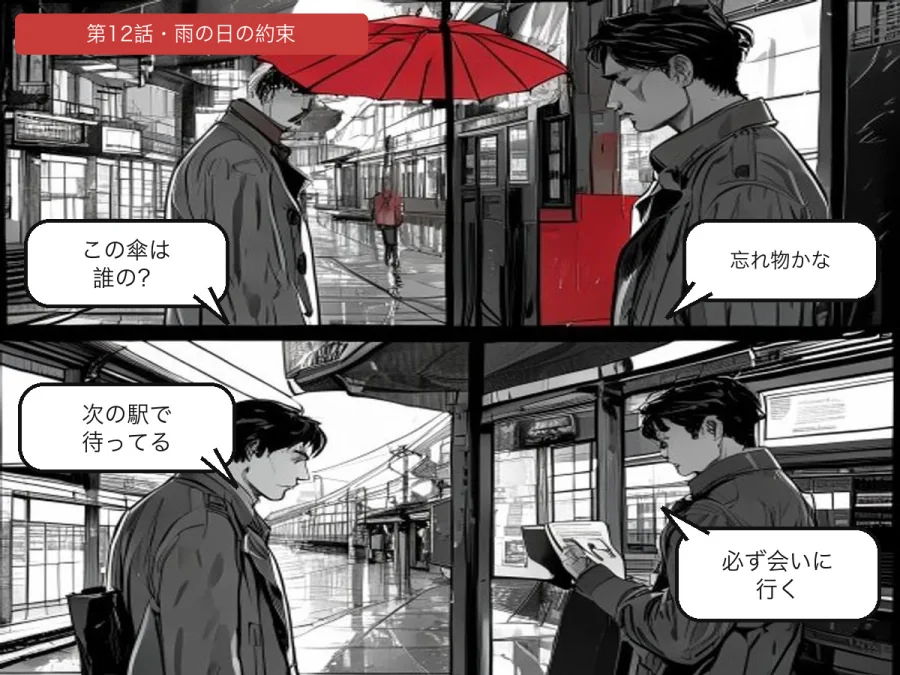
Manga translation is not just OCR followed by machine translation. A single page can contain vertical dialogue, small annotations, narration boxes, overlapping bubbles, sound effects, and conversations whose meaning depends on the surrounding panels.
The safest automated workflow keeps the full page available for context while changing only the regions that contain text.
Use a complete, clear page
Upload the complete page instead of cropping every speech bubble independently. The panel sequence helps a visual model understand who is speaking, what is happening, and how one line relates to the next.
Clean scans work best. Before processing, check for:
- Cropped speech bubbles or missing page edges
- Very low-resolution or compressed text
- Handwritten lettering over detailed artwork
- Furigana, side notes, and very small captions
- Vertical text and right-to-left reading order
Small annotations and stylized sound effects are often the hardest regions and deserve a separate review.
Define names, tone, and honorifics
Character names and recurring terms should remain consistent across pages. Add a short instruction that describes how the translation should handle names, honorifics, tone, and sound effects.
For example:
Keep Japanese names in family-name-first order. Preserve honorifics. Use concise conversational English. Leave stylized sound effects unchanged.
The correct instruction depends on whether the result is for personal reading, editorial review, or an authorized localization project.
Fit dialogue to the bubble
Translated dialogue can be much longer or shorter than the source. The renderer must balance font size, line breaks, spacing, and the shape of the speech bubble. A translation that is linguistically correct can still be difficult to read if it is packed into the wrong area.
Review narrow bubbles, overlapping dialogue, text close to the tail of a bubble, and narration placed directly over artwork.
Review the page in reading order
After translation, read the whole page rather than checking isolated bubbles. Confirm:
- Dialogue appears in the correct bubble
- The reading sequence still makes sense
- Character names and pronouns remain consistent
- No source-language text overlaps the translation
- Artwork restoration has not removed important line work
When processing an episode, inspect a few consecutive pages together. Context errors are easier to notice across a scene than on a single page.
Use Manga Translator for one page, or Batch Image Translator when several pages share the same names and translation rules.